Healthy cooking without the boredom: lighter food that still tastes good
Cooking methods that save oil, where hidden calories lurk, healthier swaps for mayonnaise, cream and sugar, the plate rule, how much protein each meal needs and how to use less salt without losing flavour. No strict diets or bans.
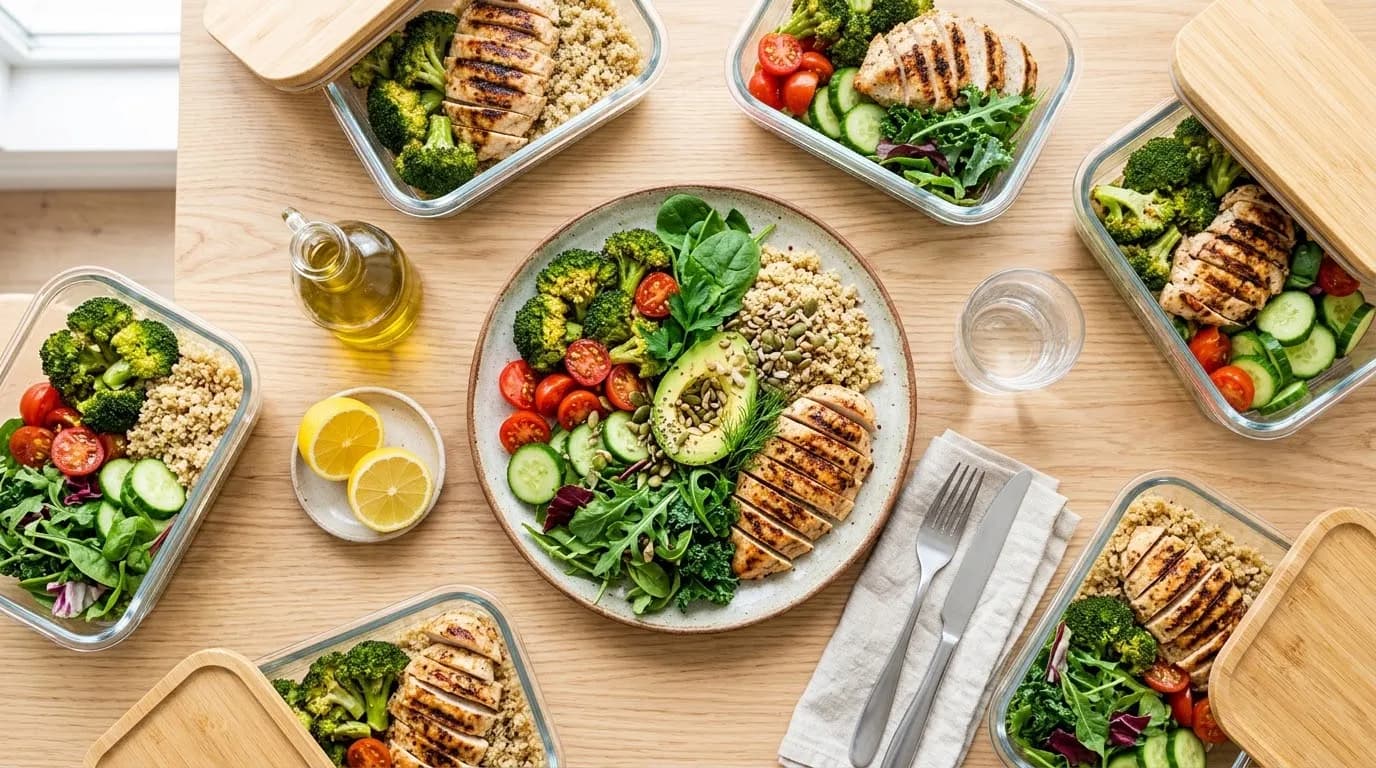
Healthy eating is habits, not a diet
Eating well doesn't mean plain boiled chicken and white rice. It's ordinary tasty food cooked a little smarter: less excess oil and sugar, more vegetables and protein, sensible portions.
This article is about cooking techniques, not medical nutrition. If you have a health condition or specific goals, plan your diet with a doctor or dietitian.
Oil: the main hidden source of calories
A tablespoon of vegetable oil has about 120 kcal — almost as much as a whole serving of boiled rice. By eye we pour 3–4 spoonfuls into a pan, and the food soaks up nearly all of it.
- Measure oil with a spoon rather than pouring from the bottle.
- Use an oil spray or brush the pan: 1 tsp is enough.
- A good non-stick or cast-iron pan needs minimal oil.
- Heat the pan before adding food — on a hot surface it absorbs less oil and doesn't stick.
- Instead of frying onion for soup, sweat it in 2–3 tbsp water or stock under a lid.
Cooking methods that need no fat
- Roasting at 200–220 °C: vegetables, meat and fish brown with 1 tbsp oil per tray.
- Steaming: keeps flavour and vitamins; good for fish, chicken and vegetables. Add lemon and herbs to the water — the aroma passes into the food.
- A grill pan: fat drains between the ridges and the stripes give a grilled flavour.
- Braising in its own juices: covered, with a little water, tomatoes or stock.
- Baking in parchment (en papillote): fish or chicken with vegetables steams in its own juices — no oil at all.
- Air fryer: a crisp crust with 1 tbsp oil for the whole batch.
Healthier swaps
The most calorific part of a dish is often not the main ingredient but the sauce, the dressing and whatever it was fried in. They're easy to swap without losing flavour.
- Mayonnaise → Greek yoghurt with mustard, lemon juice and salt. 4–5 times fewer calories.
- 20% sour cream → yoghurt or 10% sour cream.
- Cream in a sauce → milk with 1 tsp starch per 250 ml: the sauce stays thick.
- Pan-fried breading → breading of oats or panko, baked in the oven.
- Sugar in baking → cut by 25%, add banana, apple purée, vanilla and cinnamon.
- White rice → brown rice, bulgur, quinoa, buckwheat: more fibre and fuller for longer.
- Sweetened yoghurt → plain yoghurt with berries and a spoon of honey.
The plate rule
A simple way to build a balanced portion without counting calories:
- Half the plate — vegetables and greens, raw or cooked.
- A quarter — protein: meat, poultry, fish, eggs, cottage cheese, pulses, tofu.
- A quarter — complex carbohydrates: grains, wholegrain bread or pasta, potatoes, pulses.
- Plus some healthy fats: olive oil in the dressing, nuts, avocado, seeds.
Protein at every meal
Protein keeps you full the longest. For most people a guide is 20–30 g protein at each main meal.
- 100 g chicken breast — about 23 g protein.
- 100 g 5% cottage cheese — about 17 g.
- 2 eggs — about 12–13 g.
- 100 g fish (cod, salmon) — 18–22 g.
- 150 g Greek yoghurt — about 15 g.
- 100 g cooked lentils or chickpeas — 8–9 g.
Hidden calories
Food often seems light but in fact has as many calories as a full lunch.
- Salad dressings: a Caesar with shop-bought dressing can top a burger.
- Nuts and dried fruit: healthy, but a handful of nuts is 200 kcal. Aim for 20–30 g a day.
- Juices and smoothies: a glass of orange juice is the sugar of 3–4 oranges without the fibre.
- Granola and "fitness" bars: often more sugar than biscuits. Read the label.
- Coffee with syrup and cream: 300–400 kcal in one cup.
Less salt, more flavour
Using less salt doesn't have to mean bland food. Salt can be partly replaced by other flavour boosters.
- Acid: lemon juice, vinegar, pomegranate molasses — flavours become brighter.
- Fresh herbs and spices: dill, coriander, basil, paprika, cumin, garlic.
- Umami: tomato paste, mushrooms, parmesan, soy sauce (in small amounts).
- Salt at the end of cooking and at the table: salt on the surface tastes stronger, so you need less.
Cook ahead so you don't slip up
Most "slip-ups" come from hunger and having nothing ready. With roast chicken, cooked grains, chopped vegetables and a sauce in the fridge, a proper lunch takes 5 minutes — faster than ordering a takeaway.
More on weekly prep and planning in our article on a weekly menu.
Questions and answers
Do I have to count calories?+
No. For most people the plate rule, protein at every meal and attention to oil, sauces and sweet drinks are enough. Counting helps if you need a precise result.
Can I fry food when eating healthily?+
Yes, with little oil — 1 tsp per serving, a well-heated pan and food that doesn't soak up oil like aubergine or breading. Choose roasting and grilling more often.
Which oil is healthiest?+
For salads: extra virgin olive, flaxseed or unrefined sunflower oil. For frying: refined oils, or olive oil over moderate heat. All oils have about the same calories.
Are potatoes and pasta bad for you?+
No. They're ordinary carbohydrates. It's about portion size and what you serve them with: pasta with vegetables and chicken is a normal dinner; with cream sauce and bacon it's a heavy one.
How much water should I drink?+
There's no universal amount: needs depend on weight, activity and climate, and some water comes from food. A good guide is to drink when thirsty and keep your urine pale.
Try it in practice

More kitchen secrets
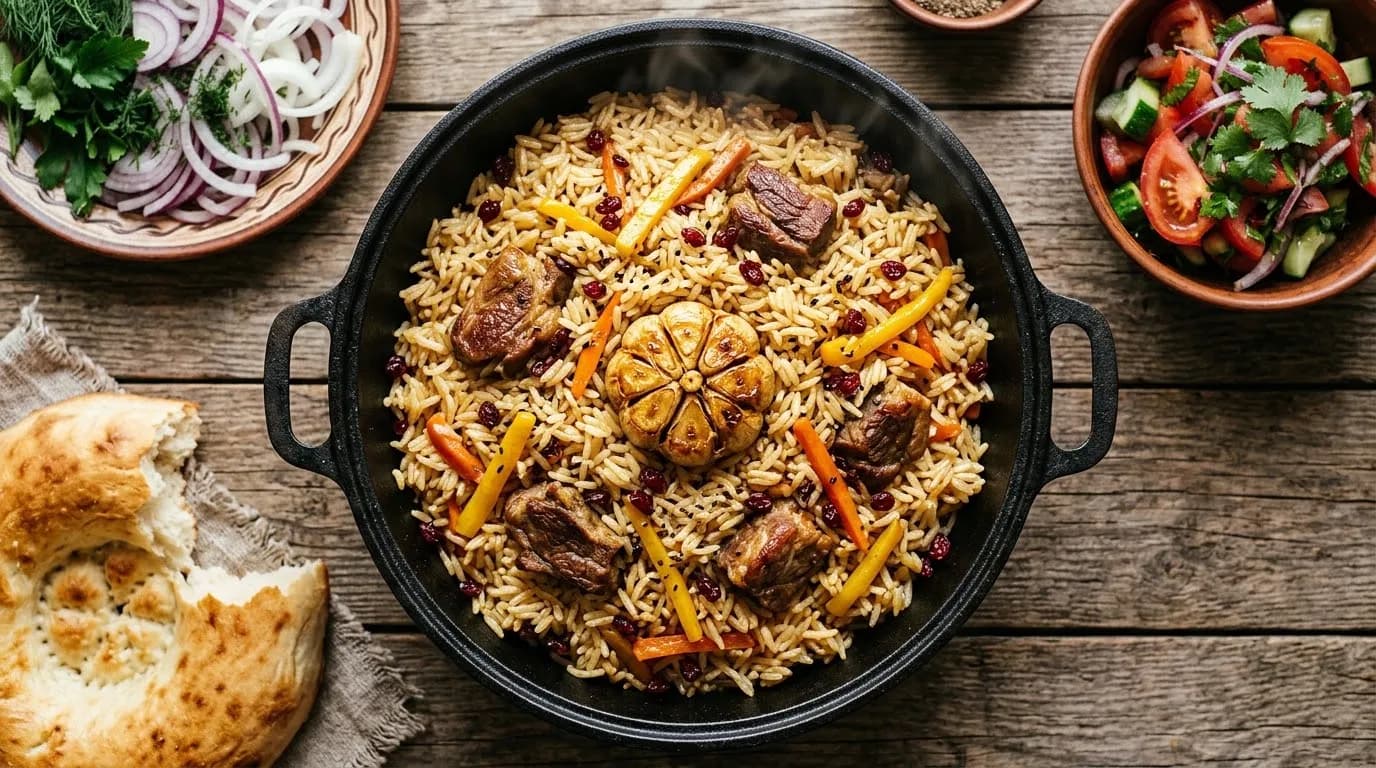
Fluffy plov: zirvak, the right rice and a kazan — step by step
The 1:1:1 meat, rice and carrot ratio, why carrots are cut by hand into batons, how to make the zirvak and when to salt it, which rice to use and how to soak it, how much water to add and how to steam plov so it comes out fluffy rather than mushy.
Read the article
Liver and offal: tender liver without bitterness, pâté, tongue and heart
How to choose liver, remove the membrane and draw out bitterness with milk, why liver turns rubbery and when to salt it, how long to fry chicken and beef liver. Silky pâté, tongue, heart, gizzards and kidneys — how long to boil and braise them, plus important safety rules.
Read the article
Casseroles, lasagna and gratin: no raw middle, no puddle underneath
Which vegetables to pre-cook, the ratio for an egg custard, a classic béchamel per litre of milk, lasagna and gratin dauphinois step by step, when to add the cheese, why a bake must rest before cutting and how to freeze it.
Read the article