Fluffy plov: zirvak, the right rice and a kazan — step by step
The 1:1:1 meat, rice and carrot ratio, why carrots are cut by hand into batons, how to make the zirvak and when to salt it, which rice to use and how to soak it, how much water to add and how to steam plov so it comes out fluffy rather than mushy.
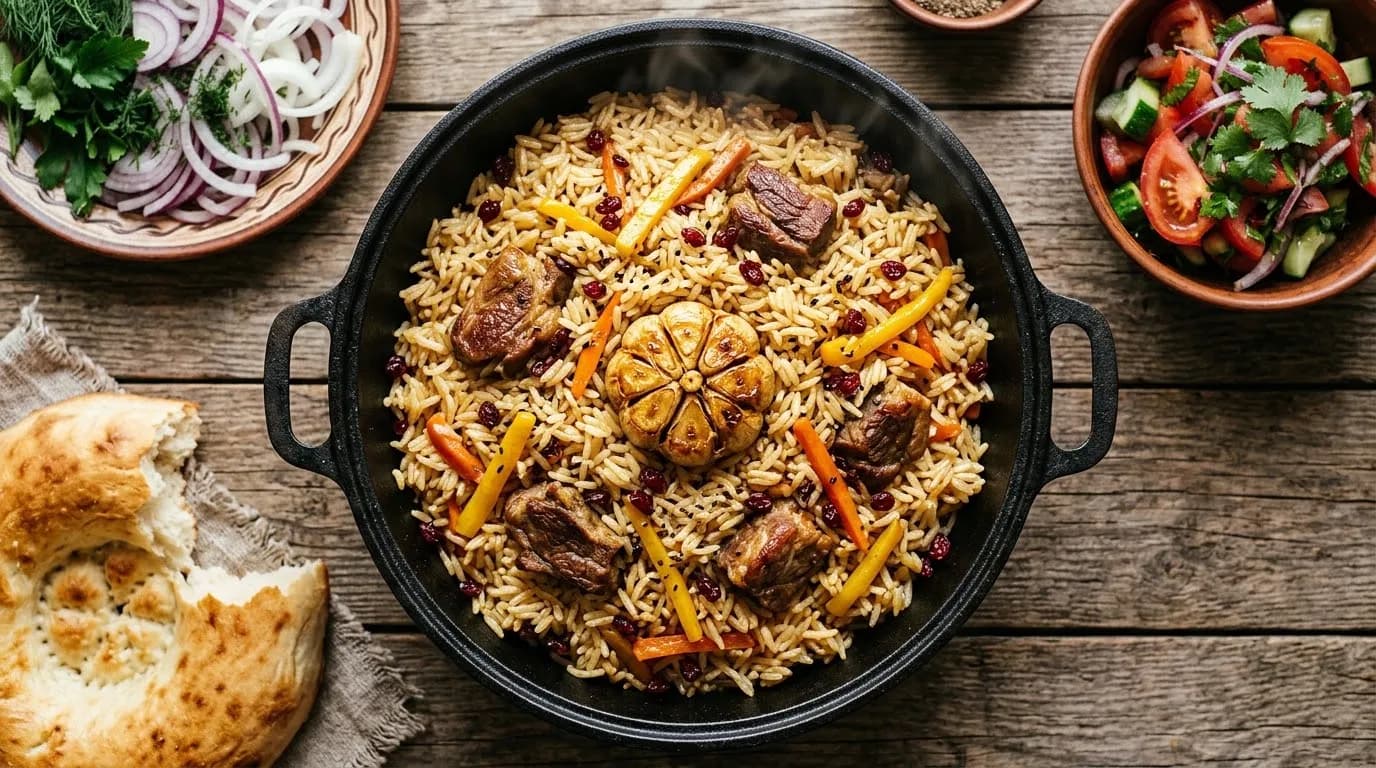
The key 1:1:1 ratio
Classic Uzbek plov rests on a simple formula: meat, rice and carrots in equal weights. Per 1 kg of rice, 1 kg of meat and 1 kg of carrots. That serves 8–10 people.
- 1 kg lamb or beef (shoulder, neck, ribs — with some fat and bone).
- 1 kg plov rice.
- 1 kg carrots — yellow or orange.
- 2–3 onions.
- 200–250 ml neutral oil (or partly rendered lamb tail fat).
- 2 whole heads of garlic, 1 tbsp cumin, 1 tbsp dried barberries, 1–2 dried chillies.
- Salt — about 2 tbsp in total.
The pot: a kazan or a heavy casserole
Plov turns out best in a cast-iron kazan with a thick rounded base. It gives off heat slowly and evenly, so in the final stage the rice steams instead of burning.
No kazan? A heavy cast-iron casserole, a roasting pot or a deep sauté pan with a heavy lid will do. A thin pot with a flat base is the worst choice: the rice burns underneath and stays raw on top.
Carrots: batons, cut by hand
Carrots in plov aren't just a vegetable — they're the base of flavour and aroma. Cut them by hand into batons 4–5 mm thick and 5–6 cm long. Grated carrots turn mushy, release all their juice and make the plov wet and sweet.
Central Asia uses yellow carrots — less sweet and firmer. If you can find them, use at least half yellow. If not, ordinary orange carrots still give an excellent result.
Zirvak: the foundation
Zirvak is meat, onion and carrot fried and then simmered in oil until they make a rich, fragrant broth. The flavour of the whole plov depends on it.
- Heat the oil in the kazan until it just smokes. If using tail fat, render it and remove the cracklings.
- Brown the bones and meat in large 5–6 cm pieces over high heat for 7–10 minutes. Don't stir constantly.
- Add the onions in half-rings and fry until golden, 5–7 minutes.
- Spread the carrots on top, leave for 3–5 minutes without stirring, then stir and fry 10 minutes more until soft.
- Add the cumin (rubbed between your palms), barberries and chillies. Pour in boiling water to cover the meat — about 1 litre.
- Simmer on low heat for 40–60 minutes for lamb or beef.
Rice: which to use and how to prepare it
Plov needs rice that soaks up fat and broth well yet stays firm and doesn't collapse. The best are plov varieties such as devzira, laser or chungara. Medium-grain rice labelled "for plov" works too. Short-grain pudding rice won't do — you get porridge. Long-grain parboiled rice is dry and tasteless in plov.
Rinse the rice 5–7 times until the water runs clear. Then soak it in warm salted water for 30–60 minutes — devzira for 1–2 hours. Drain before adding.
Adding the rice and water
Level the zirvak and spread the rice over it evenly — don't stir it into the zirvak. That's the golden rule: everything under the rice stays under the rice.
Gently pour boiling water over a slotted spoon so it doesn't disturb the rice, to 1.5–2 cm above the rice. For devzira a bit more, 2–2.5 cm.
Turn the heat to maximum and let the water boil off. When it has gone from the surface and the top rice is nearly cooked, gather the rice into a dome in the centre. Poke several holes to the bottom with a stick — steam escapes through them.
Steaming — the final step
Push the whole garlic heads, loose outer skin removed, into the rice. Cover the kazan with a tight lid (a towel or plate underneath helps keep the steam in).
Turn the heat to the lowest and leave the plov for 20–30 minutes. The rice finishes in the steam and takes on the aroma of the zirvak.
Check: tap the rice with a slotted spoon — a dull sound means the water has gone. Taste the rice: it should be tender but separate.
Serving
Remove the garlic and gently mix the plov, lifting the zirvak from the bottom. You can take the meat out, slice it and lay it on top.
Pile the plov onto a large platter with the meat and garlic heads on top. It's traditionally served with achichuk salad — thinly sliced tomatoes and onion with salt and pepper — which freshens the rich dish, and green tea.
Common mistakes
- The rice was stirred into the zirvak — it turns to porridge.
- The carrots were grated — the plov is wet and sweet.
- Too much water — the rice collapses; too little — it stays hard.
- Not enough oil — dry, bland plov. The oil is part of the recipe, not excess fat.
- Short-grain rice or poorly rinsed rice — sticky instead of fluffy.
- Salting at the end — the rice stays bland; the salt belongs in the zirvak.
Questions and answers
Can I make plov in a multicooker?+
Yes: the zirvak on the fry setting, then the rice on top, water 1.5 cm above, on the plov or grain setting. The result is good, though without the crust and aroma of a kazan.
Why did my plov turn to mush?+
The rice was wrong (short-grain), poorly rinsed, stirred into the zirvak, or there was too much water. Use plov rice and don't stir it until the end.
Can I make plov without lamb?+
Of course. Beef is the most popular substitute, chicken the quickest, and there's also a meatless plov with chickpeas, dried fruit and mushrooms.
How long does plov keep?+
3–4 days in the fridge. Reheat in a covered pan with a spoon of water or covered in the microwave. Plov freezes well for up to 2 months.
What if the rice is still hard?+
Poke a few more holes in the rice, pour 50–100 ml boiling water into them, cover tightly and steam on the lowest heat for another 10–15 minutes.
More kitchen secrets
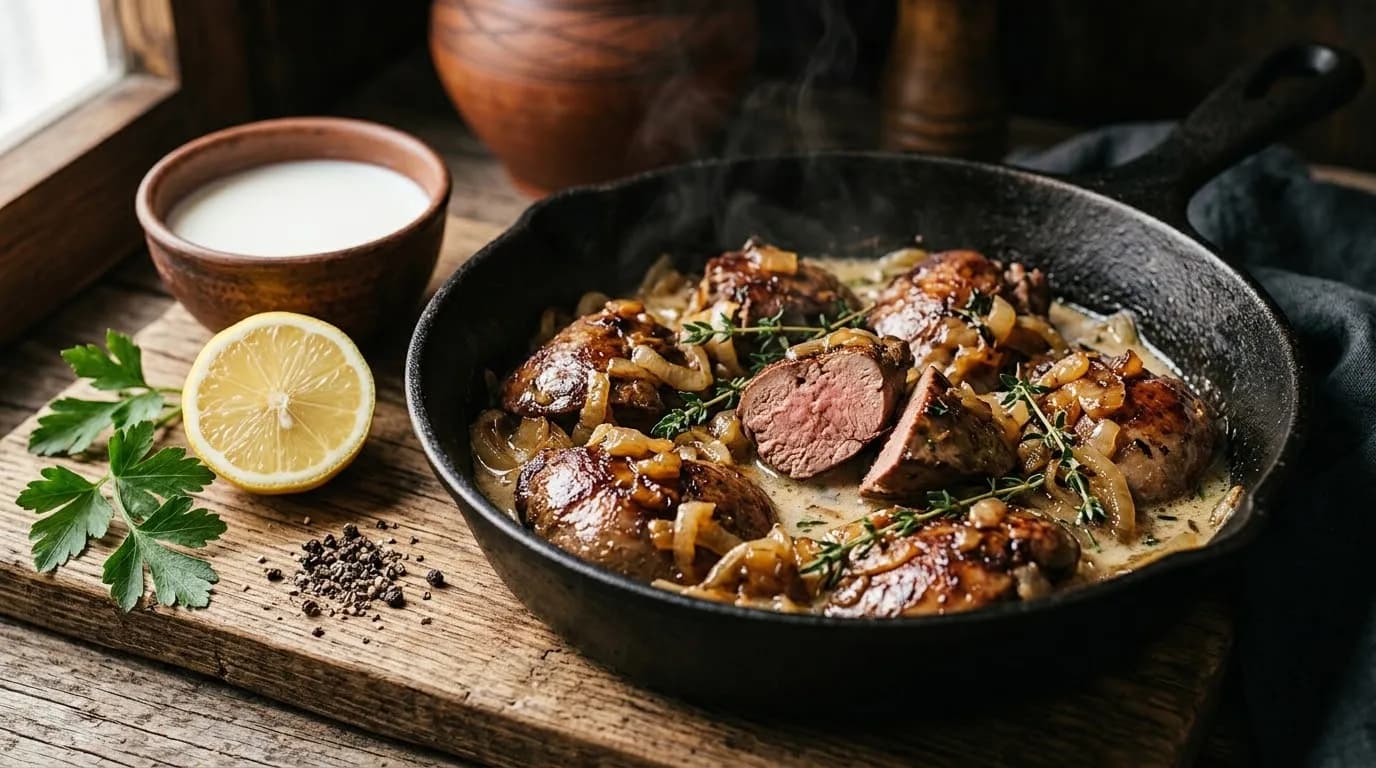
Liver and offal: tender liver without bitterness, pâté, tongue and heart
How to choose liver, remove the membrane and draw out bitterness with milk, why liver turns rubbery and when to salt it, how long to fry chicken and beef liver. Silky pâté, tongue, heart, gizzards and kidneys — how long to boil and braise them, plus important safety rules.
Read the article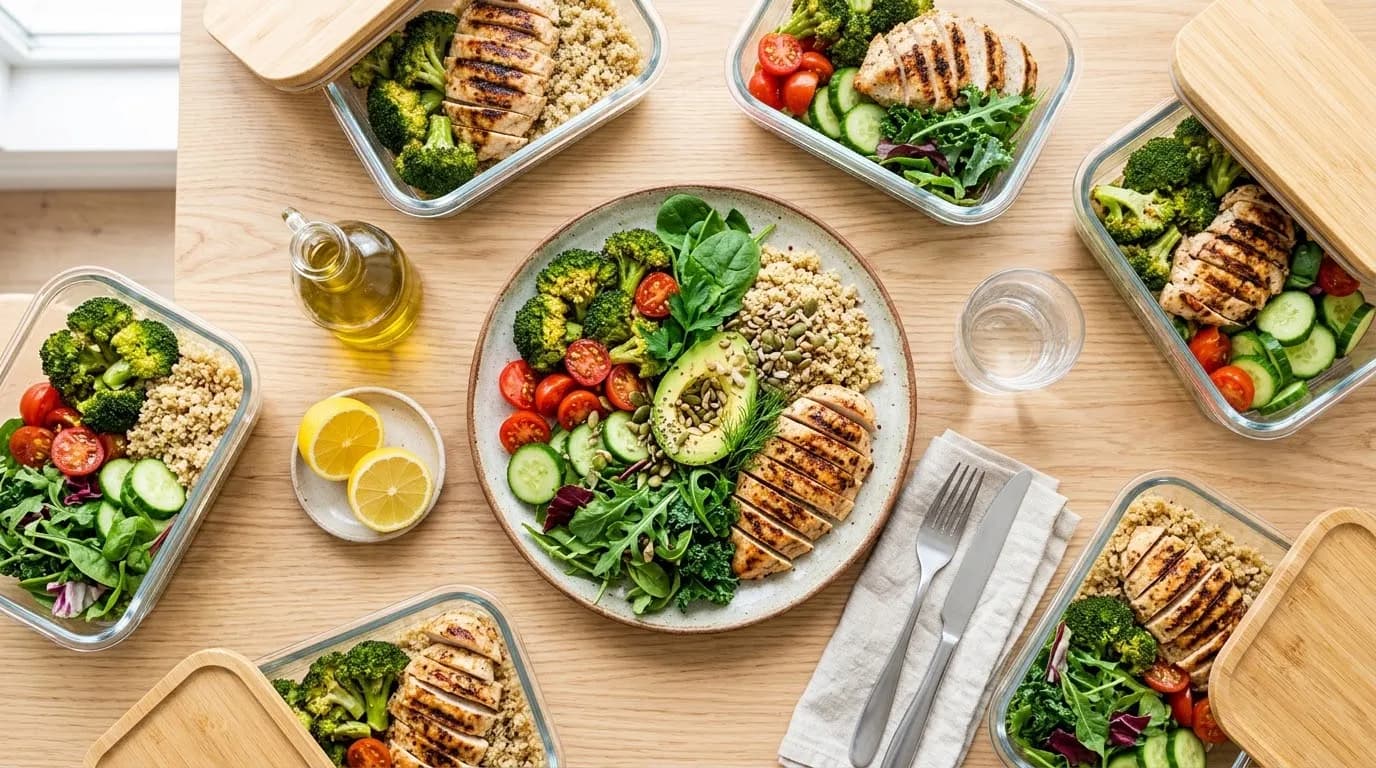
Healthy cooking without the boredom: lighter food that still tastes good
Cooking methods that save oil, where hidden calories lurk, healthier swaps for mayonnaise, cream and sugar, the plate rule, how much protein each meal needs and how to use less salt without losing flavour. No strict diets or bans.
Read the article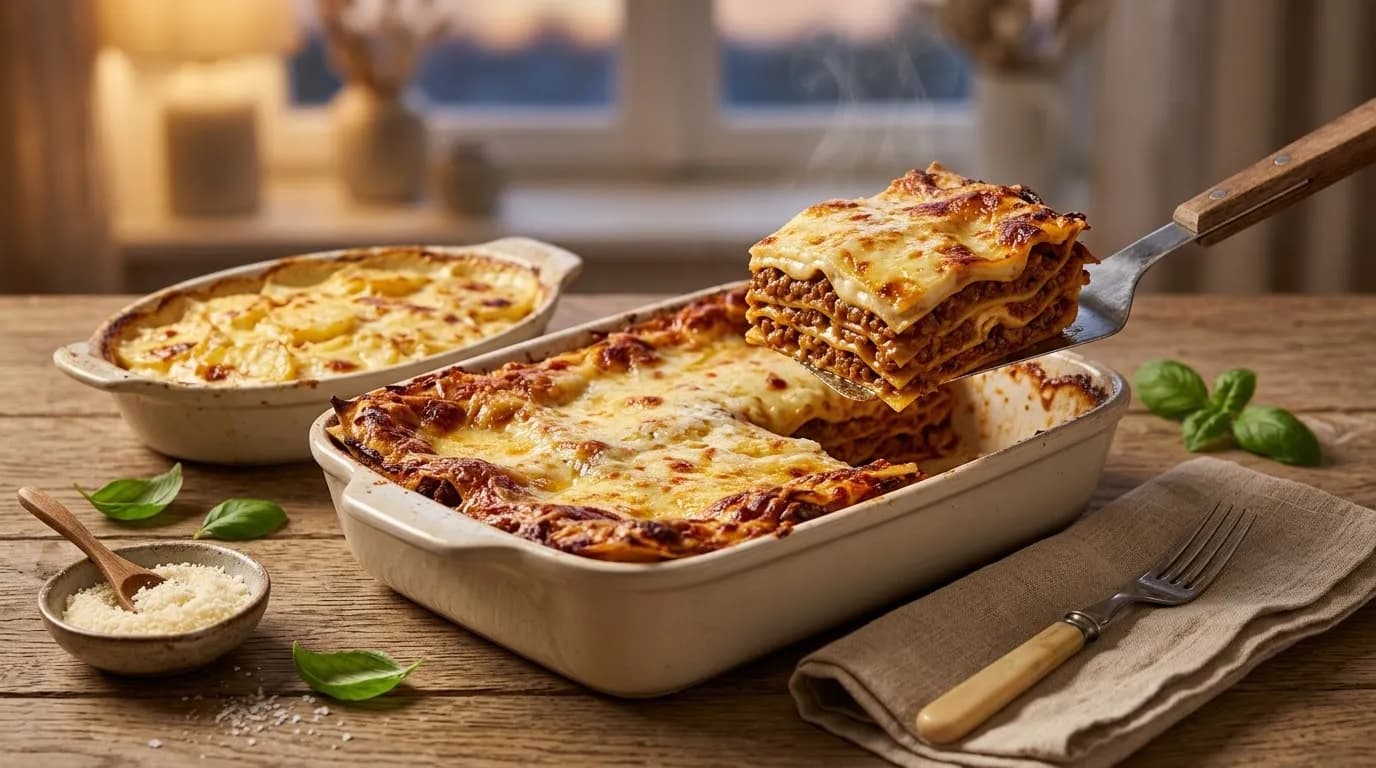
Casseroles, lasagna and gratin: no raw middle, no puddle underneath
Which vegetables to pre-cook, the ratio for an egg custard, a classic béchamel per litre of milk, lasagna and gratin dauphinois step by step, when to add the cheese, why a bake must rest before cutting and how to freeze it.
Read the article