Herbs: when to add them, how to store them and what they go with
How soft herbs differ from woody ones and why some go in at the start and others at the very end, how to swap fresh for dried, why basil hates the fridge, how to keep parsley and dill for a week, classic pairings, a windowsill garden and drying.
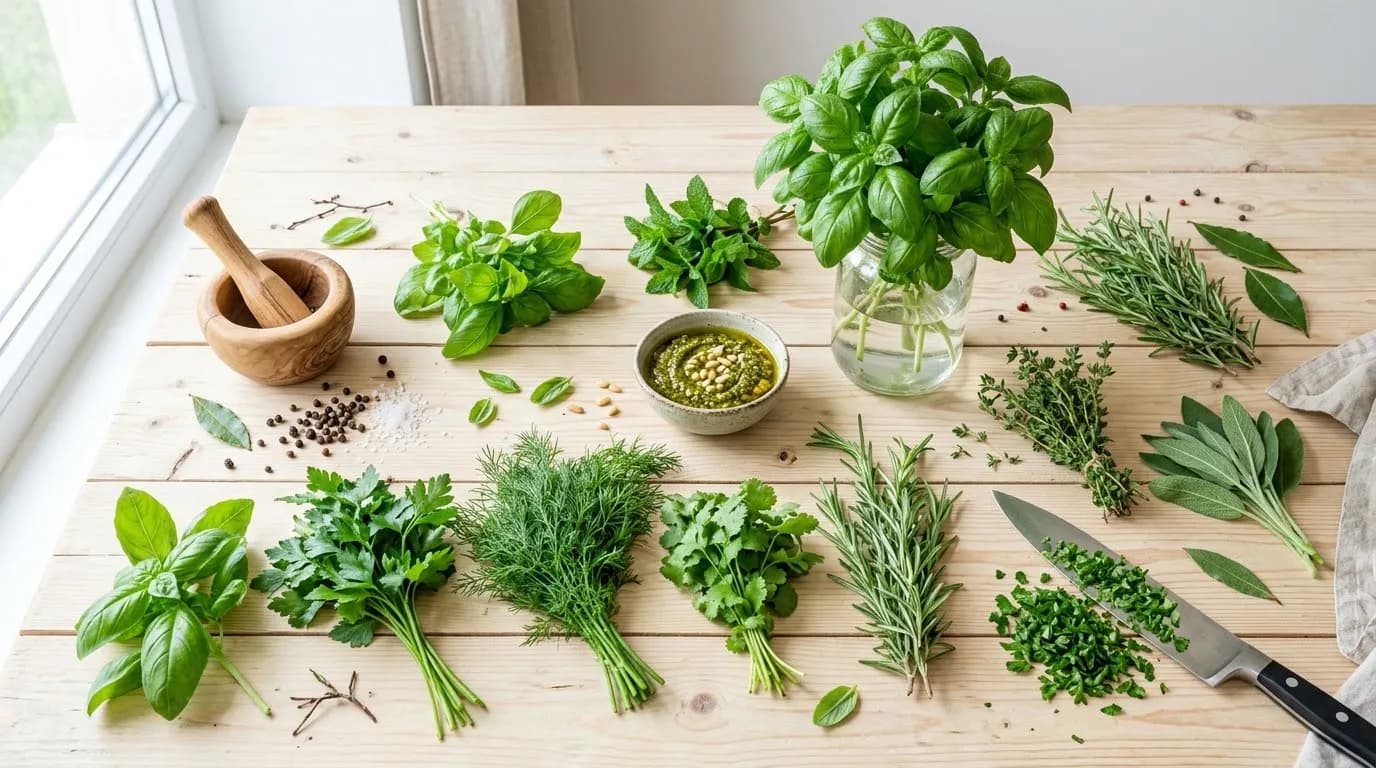
Soft herbs and woody herbs
Culinary herbs fall into two groups, and almost everything depends on which: when to add them, how to cut them and how to store them.
Soft herbs have tender stems and thin leaves: parsley, dill, coriander, basil, mint, chives, tarragon and chervil. Their aroma is volatile and fades quickly with heat.
Woody herbs have tough stems and firm leaves: rosemary, thyme, oregano, sage, bay leaf and marjoram. Their essential oils sit deeper and only come out with long cooking.
When to add them
Add woody herbs at the start: to the oil when frying, to a marinade, to a pot of soup or stew, under a chicken in the oven. Whole sprigs are easy to fish out later.
Soft herbs go in during the last minute or straight onto the plate. Dill simmered in soup for 20 minutes smells of grass, not dill. Basil darkens and loses its aroma with heat.
- Parsley can be split: stems into the stock at the start, leaves at the end.
- Add coriander raw: cooking takes away almost all its flavour.
- Bay leaves — no more than 1–2 per pot, and take them out after cooking or they turn bitter.
- Rosemary is strong: one sprig is enough for a whole chicken.
Fresh and dried: the 1:3 ratio
Dried herbs are more concentrated than fresh. As a guide, 1 teaspoon dried replaces 1 tablespoon fresh — roughly 1:3.
But not everything can be swapped. Woody herbs dry well: dried oregano, thyme and rosemary are nearly as good as fresh. Soft herbs dry badly: dried basil, parsley, dill and coriander lose most of their aroma.
How to cut them
Herbs must be dry: wet ones clump, bruise under the knife and darken. After washing, dry them in a salad spinner or on a towel.
Cut with a sharp knife in one or two strokes rather than chopping over and over: a blunt knife and a long session crush the leaves and leave the juice on the board. Basil and mint are easiest rolled into a tube and sliced into thin ribbons (chiffonade).
- Strip rosemary and thyme leaves by running your fingers against the direction of growth.
- Basil for pesto can be torn by hand — it darkens less.
- Use chopped herbs within half an hour.
Storage: every herb has its own rules
Basil is the one popular herb that doesn't go in the fridge: below 10 °C the leaves turn black within a day. Trim the stems and stand the bunch in a glass of water on the counter, like flowers.
Parsley, coriander and dill can be kept the same way, but in the fridge: stems in a glass of water, a bag loosely over the top. That way they last 7–10 days. Change the water every 2–3 days.
Wrap woody herbs in a damp paper towel and put them in a container or bag on the bottom shelf — up to 2 weeks.
Classic pairings
Some pairings have been tested for centuries — they're the place to start experimenting.
- Basil — tomatoes, mozzarella, pasta, strawberries.
- Dill — potatoes, cucumbers, fish, cottage cheese and sour cream.
- Coriander — lime, chilli, avocado, Asian and Mexican dishes.
- Rosemary — lamb, potatoes, focaccia.
- Thyme — chicken, mushrooms, braised meat, roast vegetables.
- Mint — peas, lamb, watermelon, lemonade, yoghurt.
- Tarragon — chicken, eggs, béarnaise sauce.
- Oregano — pizza, tomato sauce, feta, Greek salad.
Oils, sauces and freezing
Surplus soft herbs are easy to freeze in oil. Chop finely, divide between ice-cube moulds, cover with olive oil and freeze. A cube can go straight into a pan or a soup.
Another option is herb butter: 100 g soft butter, 2–3 tbsp chopped herbs, garlic and salt. Roll it into a log in cling film and keep in the freezer for up to 3 months. A slice on a steak or a baked potato makes the dish.
- Pesto: basil, parmesan, pine nuts, garlic, olive oil.
- Chimichurri: parsley, oregano, garlic, vinegar, chilli, oil.
- Green yoghurt sauce: dill, mint, garlic, salt.
A windowsill garden
The easiest herbs to grow at home are spring onions (from a bulb in a glass of water), basil, parsley, mint and cress. Cress is ready to cut in just 10 days.
Herbs need plenty of light: at least 5–6 hours a day, so a south- or west-facing window is best, and a grow light in winter. Water moderately: overwatering kills herbs more often than drought.
How to dry herbs
Woody herbs dry best: thyme, oregano, rosemary, sage and mint. Tie small bunches and hang them upside down somewhere dry, warm, dark and airy for 1–2 weeks.
The quick way is the oven at 50–60 °C with the door ajar for 2–4 hours. The herbs are ready when the leaves snap and crumble.
Store them in tightly closed jars away from light for up to a year. When a herb no longer smells when rubbed, it's time to replace it.
Questions and answers
Why did my basil go black in the fridge?+
Basil loves warmth, and cold below 10 °C damages its leaves. Keep it in a glass of water at room temperature, out of direct sun.
Can I eat parsley and coriander stems?+
Yes. Coriander stems are tender and more aromatic than the leaves — chop them into salsa and curries. Parsley stems are tougher — use them in stocks and sauces, then remove.
How much dried herb do I use instead of fresh?+
About a third: 1 teaspoon dried for 1 tablespoon fresh. Add it early in the cooking.
Why does coriander taste of soap?+
Some people have a genetic trait that makes them perceive the aldehydes in coriander as soapy — for them it really does taste of soap. Use parsley with a drop of lime juice instead.
Can I freeze herbs?+
Yes — dill, parsley and coriander, finely chopped in a bag or as cubes in oil. After freezing they're fine for hot dishes but not for garnish.
Try it in practice


More kitchen secrets
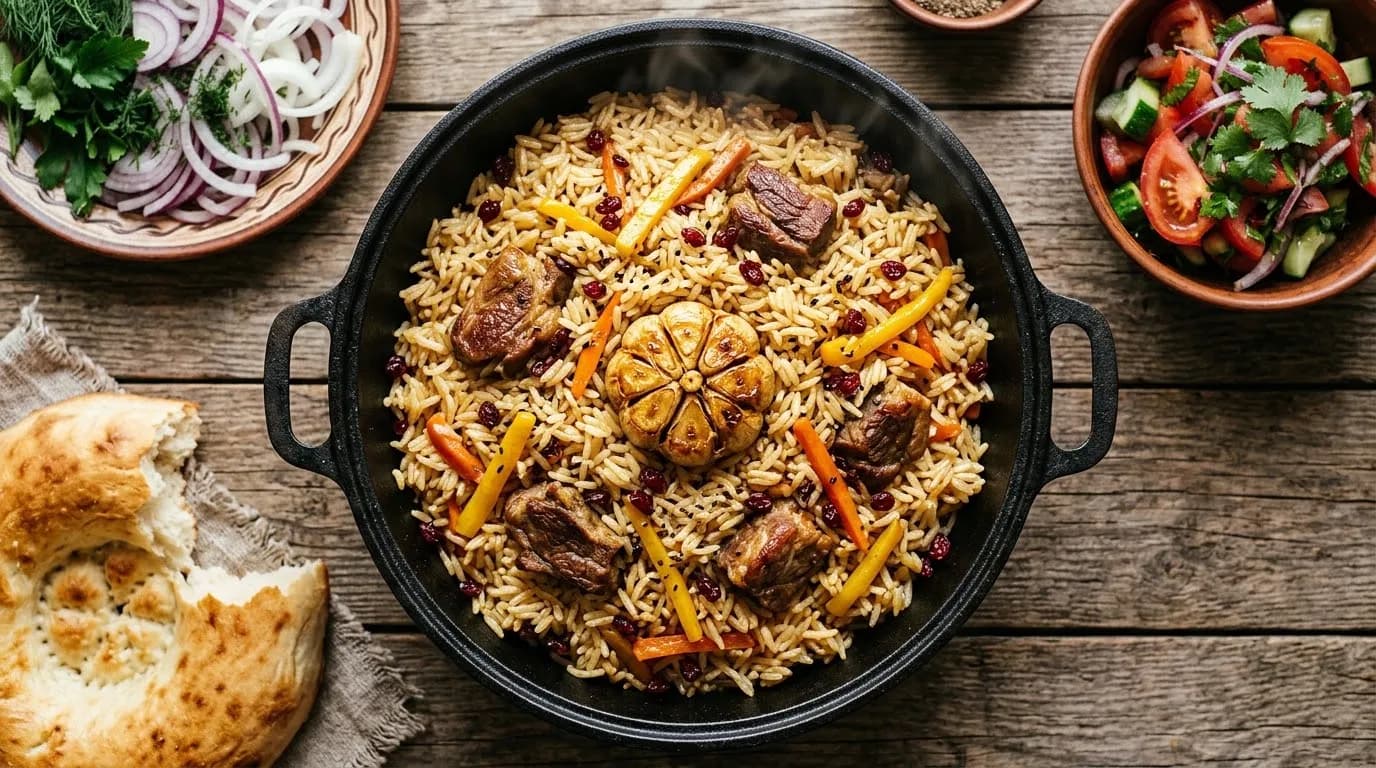
Fluffy plov: zirvak, the right rice and a kazan — step by step
The 1:1:1 meat, rice and carrot ratio, why carrots are cut by hand into batons, how to make the zirvak and when to salt it, which rice to use and how to soak it, how much water to add and how to steam plov so it comes out fluffy rather than mushy.
Read the article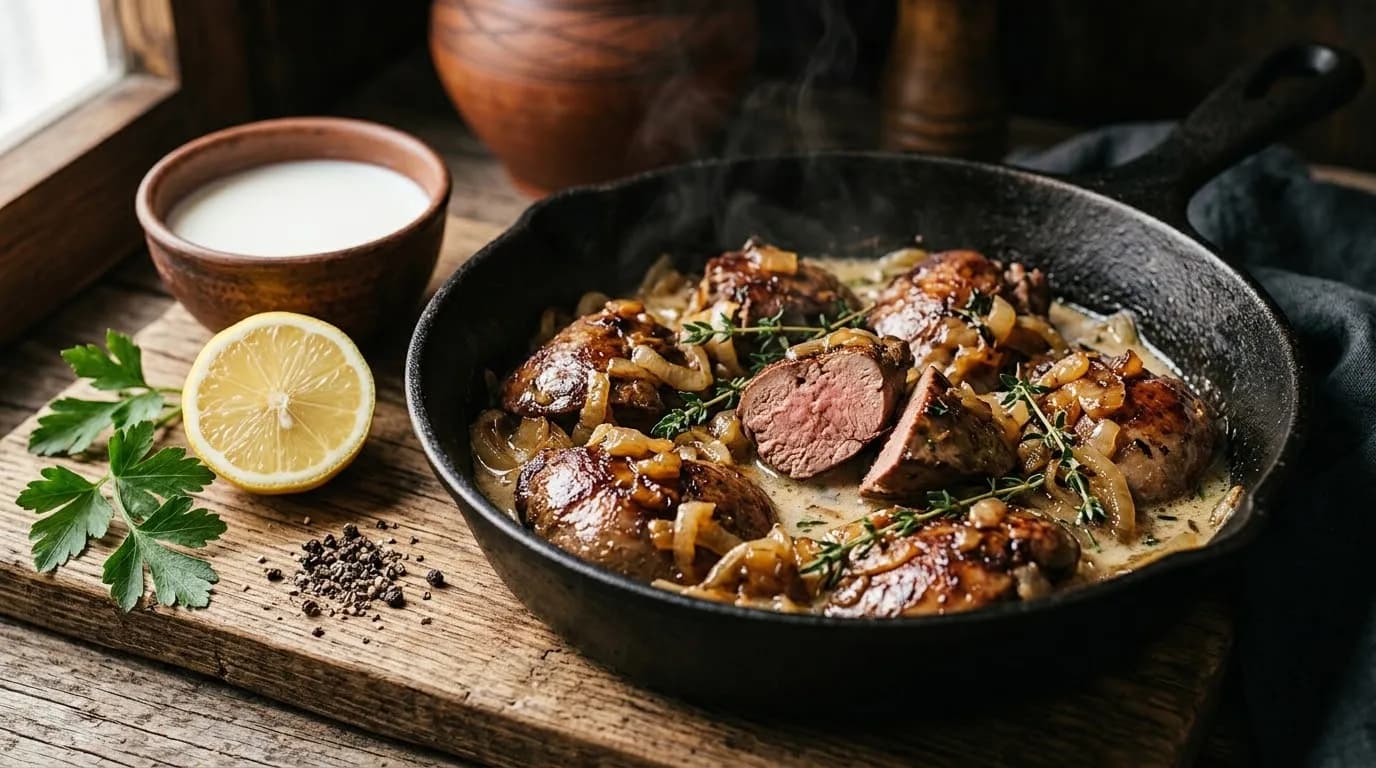
Liver and offal: tender liver without bitterness, pâté, tongue and heart
How to choose liver, remove the membrane and draw out bitterness with milk, why liver turns rubbery and when to salt it, how long to fry chicken and beef liver. Silky pâté, tongue, heart, gizzards and kidneys — how long to boil and braise them, plus important safety rules.
Read the article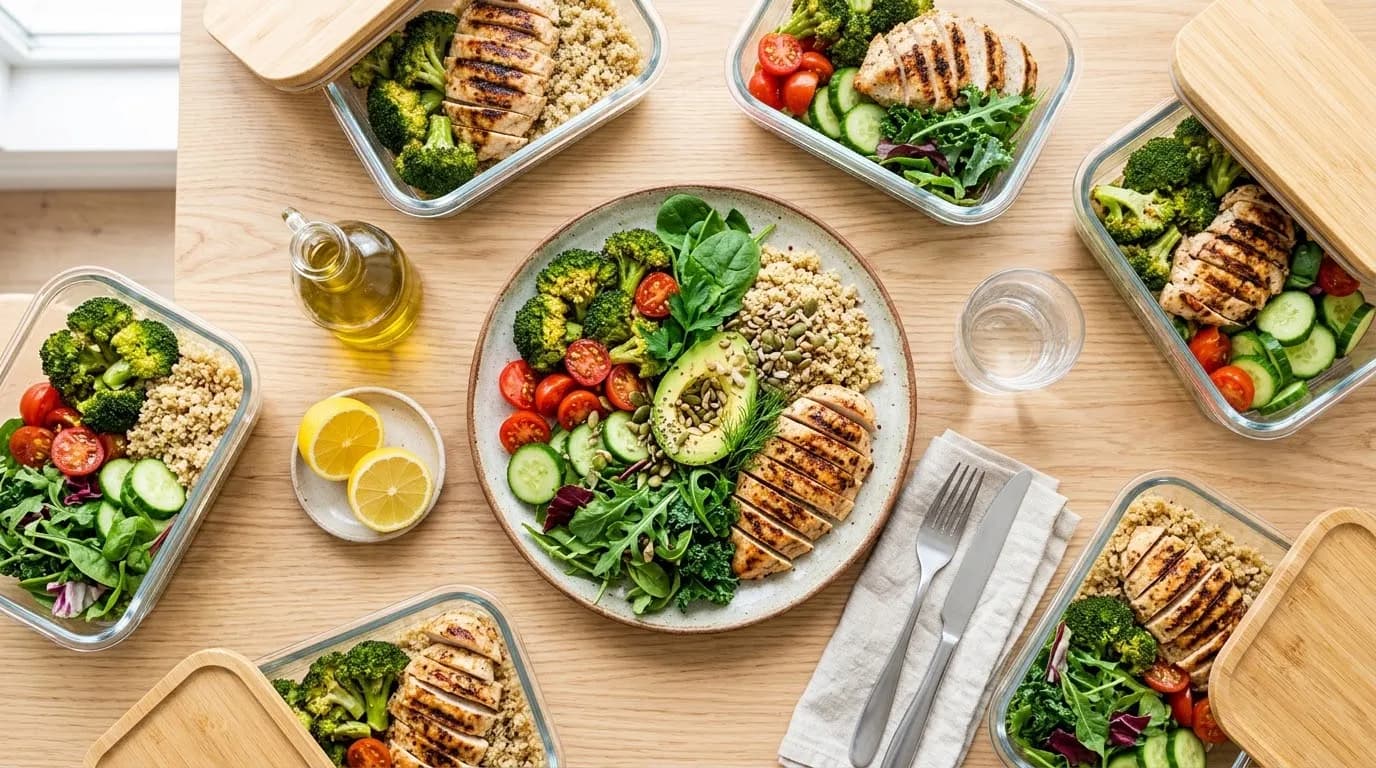
Healthy cooking without the boredom: lighter food that still tastes good
Cooking methods that save oil, where hidden calories lurk, healthier swaps for mayonnaise, cream and sugar, the plate rule, how much protein each meal needs and how to use less salt without losing flavour. No strict diets or bans.
Read the article