Cabbage: fermented, braised, roasted — and without the unpleasant smell
White, red, napa and savoy cabbage, broccoli and cauliflower — what's for what, where the smell comes from and how to avoid it, sauerkraut at a 2 % ratio, braised cabbage, roasted cabbage steaks, a slaw that doesn't go watery, and storage.

Which cabbage for what
Cabbage is one of the cheapest and healthiest year-round vegetables, but different kinds behave differently in the kitchen.
- White cabbage — fermenting, braising, soups, cabbage rolls, slaws. Late varieties are denser and better for sauerkraut.
- Red cabbage — salads, braising with apple and vinegar, pickles. Tougher than white.
- Napa (Chinese) cabbage — tender and juicy: salads, stir-fries, kimchi.
- Savoy — crinkly and soft: cabbage rolls (the leaves bend without boiling), braises, soups.
- Broccoli and cauliflower — roasting, blanching, purée, smooth soups.
- Brussels sprouts — roast until caramelised, or fry with bacon.
Where the smell comes from and how to avoid it
The unpleasant "sulphurous" smell appears when cabbage cooks for a long time: its sulphur compounds break down with prolonged heat. The longer and finer, the stronger the smell and the greyer the colour.
- Cook it fast: blanch for 2–4 minutes, fry, stir-fry or roast.
- If braising, do it with acid (tomato, vinegar, apple) and for no more than 40–50 minutes.
- Boil broccoli and cauliflower in plenty of water, uncovered.
- Bay leaf, caraway and dill mask the smell in soups and braised cabbage.
Sauerkraut: the 2 % ratio
Fermenting needs only cabbage and salt — exactly 2 % of the cabbage's weight, which is 20 g salt per 1 kg. Less, and the cabbage can go soft; more, and fermentation slows and it tastes too salty.
Shred the cabbage, add grated carrot (5–10 % of the weight), salt it and massage with your hands for 5–10 minutes until juice comes out. Pack it into a jar so the juice covers the cabbage completely and weigh it down.
Keep it at room temperature, 18–22 °C, for 3–5 days, poking down to the bottom with a wooden stick once a day to release gas. When you like the taste, move it to the fridge.
- Use non-iodised salt: iodised salt can slow fermentation and add bitterness.
- The cabbage must always stay under the brine — anything exposed on top can go mouldy.
- Caraway, cranberries, apple or beetroot are classic additions.
Braised cabbage
Fry an onion and a carrot, add 1 kg shredded cabbage and fry over medium heat for 10 minutes, stirring, until lightly golden. That's what gives flavour rather than "boiled" cabbage.
Add 2 tbsp tomato paste, 100 ml water, a bay leaf, salt and pepper, and braise covered for 25–35 minutes until tender. Finish with a drop of vinegar and a pinch of sugar for balance.
Roasted cabbage steaks
Cut the head through the core into slabs 2–2.5 cm thick — the core holds the leaves together. Brush with oil mixed with salt, garlic and smoked paprika.
Roast at 220 °C for 25–30 minutes, turning halfway, until tender inside with dark caramelised edges. Serve with a yoghurt sauce, parmesan or herb butter.
A slaw that doesn't go watery
A cabbage salad quickly turns watery because salt draws out the juice. If you need it crisp an hour later, salt the shredded cabbage in advance.
Toss the cabbage with 1 tsp salt per 500 g, leave for 20–30 minutes, then squeeze it well by hand. Now dress it: the salad stays crunchy and won't go soggy.
- Classic: cabbage, carrot, herbs, oil, vinegar and a pinch of sugar.
- Coleslaw: cabbage, carrot, mayonnaise with yoghurt and mustard.
- Asian: napa cabbage, carrot, sesame oil, soy sauce and rice vinegar.
Broccoli and cauliflower
Cut the florets to the same size and don't throw away the stalk — peel and slice it; it's sweet and crunchy.
Blanch for 2–3 minutes in boiling salted water, then straight into iced water to keep the colour. For roasting: 220 °C, 20–25 minutes with oil, until the edges darken. Roasted cauliflower turns nutty and sweet.
How to store cabbage
A whole, firm white cabbage keeps 3–6 weeks in the fridge and for months in a cellar. Don't remove the outer leaves: they protect the head.
Wrap a cut head in cling film over the cut surface — it will keep a week. Keep broccoli and cauliflower in a loose bag for 3–5 days, napa cabbage for up to two weeks. Sauerkraut keeps for months in the fridge as long as it stays under its brine.
Questions and answers
Why did my sauerkraut turn soft and slimy?+
Too little salt, too warm (above 24 °C), or an early-season cabbage. Use dense late cabbages and stick to 2 % salt.
How do I soften leaves for cabbage rolls?+
Cut out the core and lower the head into boiling water for 3–5 minutes, peeling off leaves as they soften. Or freeze the head overnight — the leaves turn pliable once thawed.
Why did my red cabbage turn blue?+
Its pigment changes colour with acidity. Add vinegar or lemon juice and it turns red again.
Can I eat the core?+
Yes, especially from young cabbage — it's sweet and crunchy. The core of an old cabbage is tough and best removed.
How long should I cook broccoli?+
3–4 minutes in boiling water or 5–6 minutes steamed — until bright green with a slight crunch.
Try it in practice


More kitchen secrets
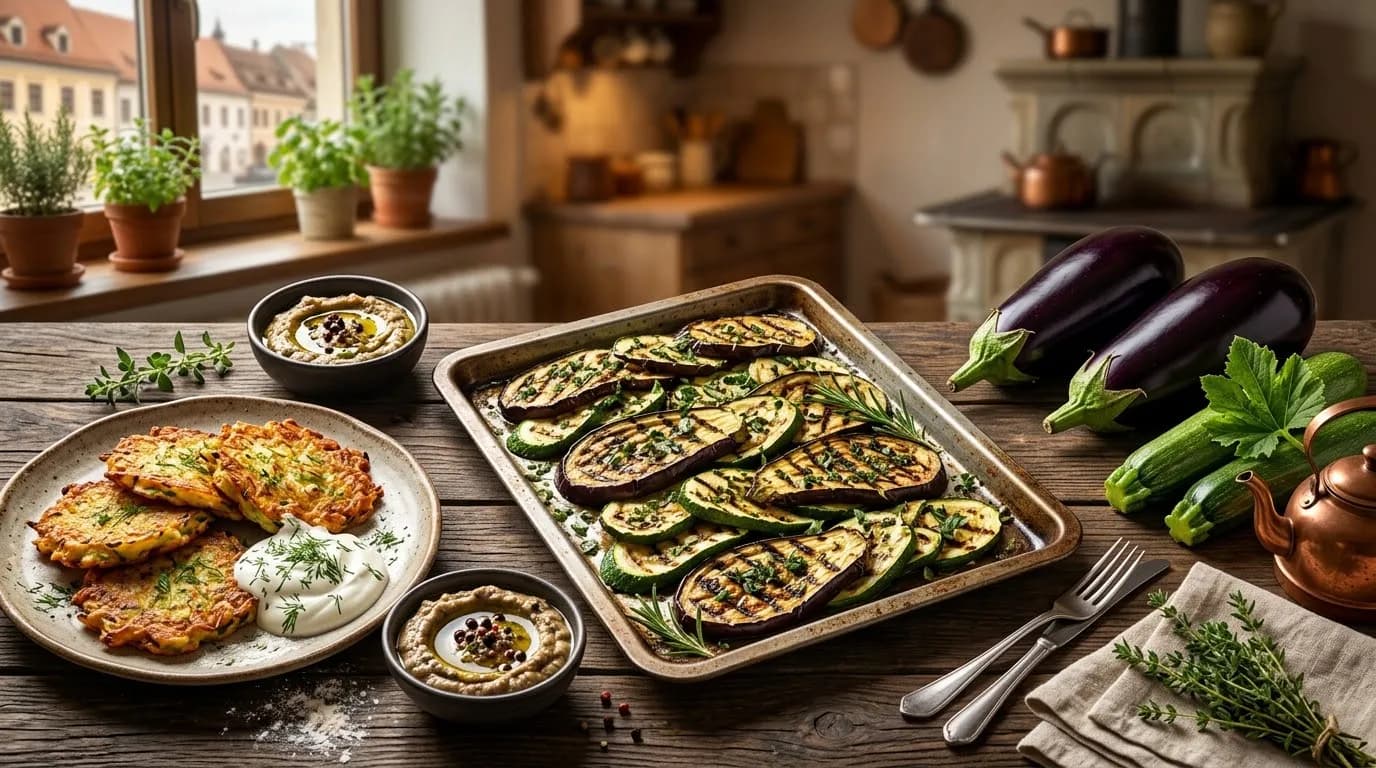
Courgettes and aubergines: no bitterness, no soaked-up oil and no watery mush
How to pick young ones, whether you really need to salt aubergines, why they soak up oil like a sponge and how to stop it, frying, roasting and grilling, courgette fritters that hold together, vegetable caviar and storage.
Read the article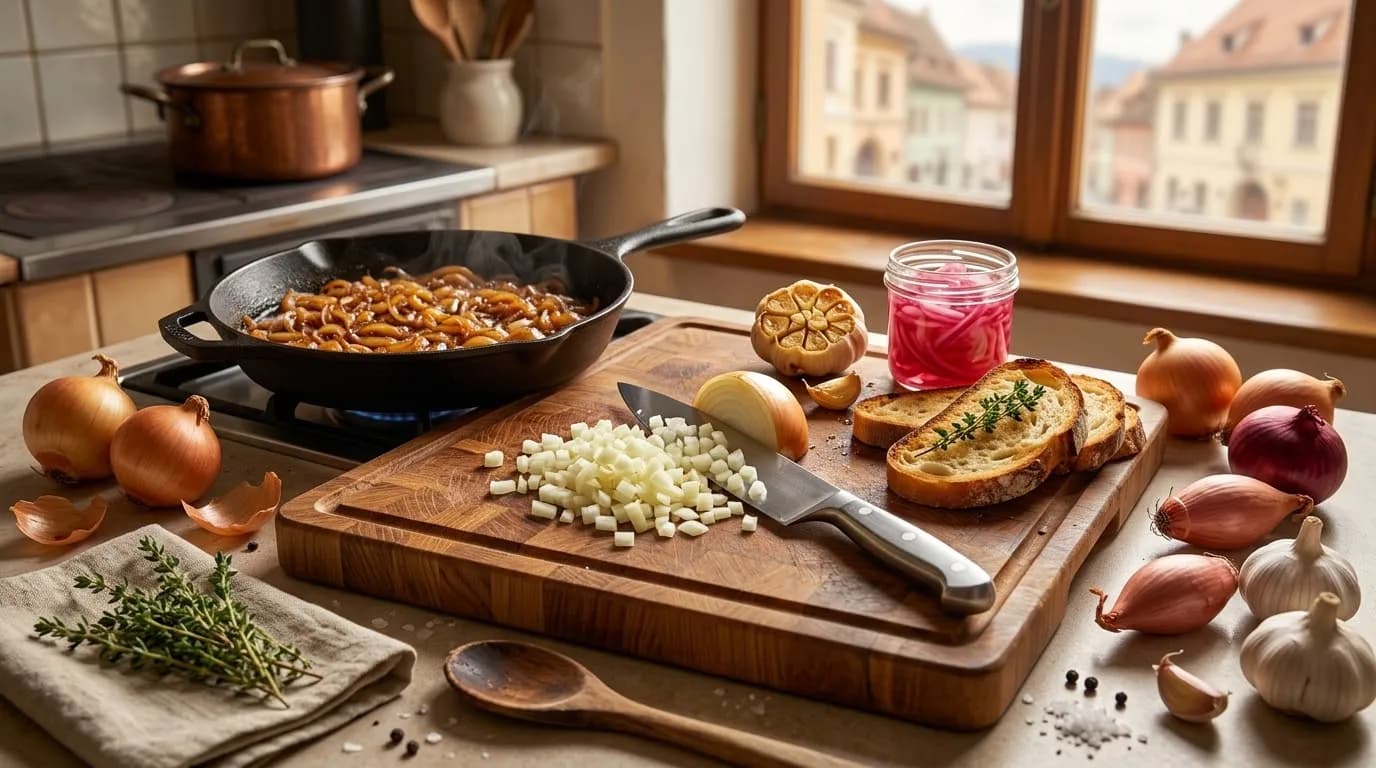
Onions and garlic: cutting without tears, caramelising and not burning them
Which onion for what, why onions make you cry and what actually helps, fast dicing, sweating, browning and true caramelisation in 40 minutes, garlic — crush or slice and when to add it, pickled onions, roasted garlic and storage.
Read the article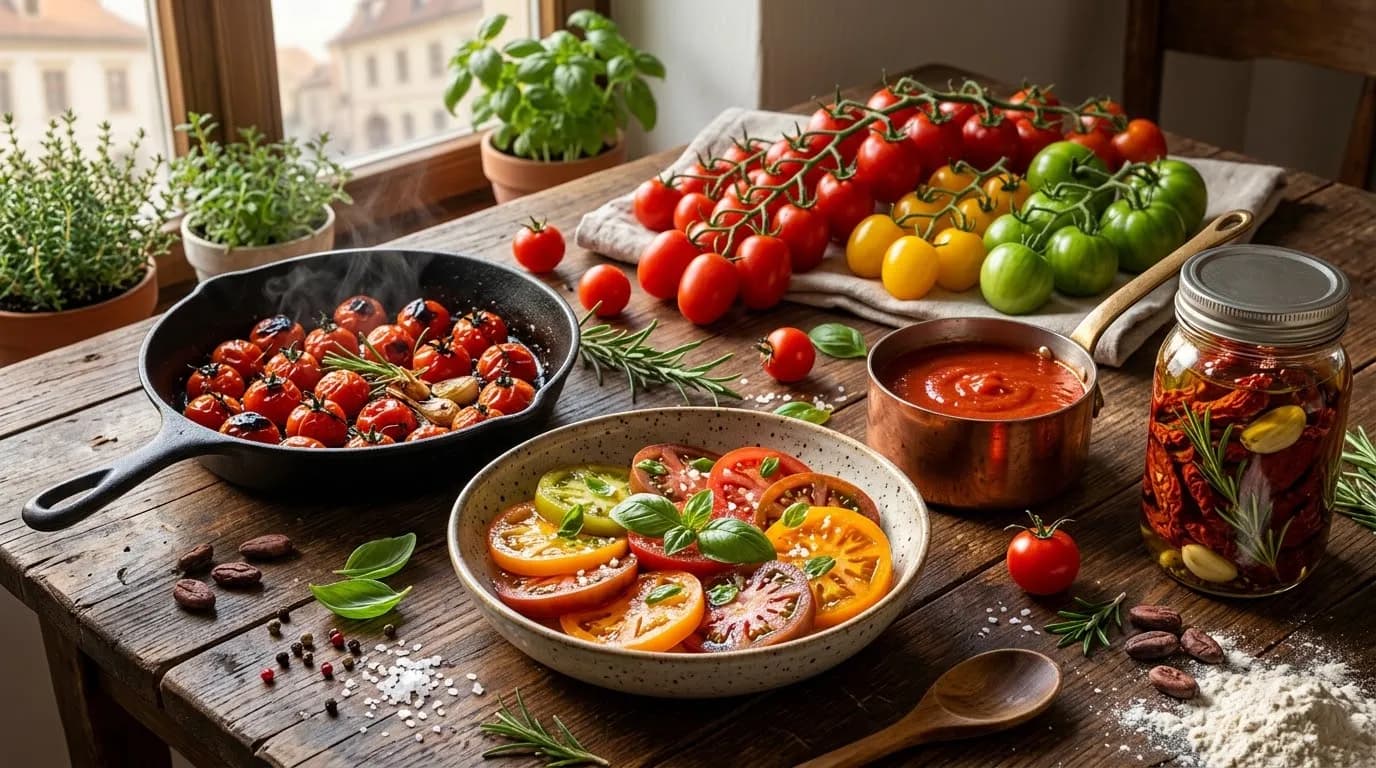
Tomatoes: how to pick tasty ones, peel them, make sauce and dry them
Which tomatoes for salad, sauce and roasting, why tomatoes don't belong in the fridge, how to peel them in a minute, sauce from fresh and tinned tomatoes, roasted cherry tomatoes, oven-dried tomatoes and what to do with green ones.
Read the article