Sauce and dressing secrets: the 3:1 ratio, pasta water, and how to rescue a split sauce
How to make a dressing that doesn't separate, foolproof homemade mayo, a cream sauce that doesn't curdle and a lump-free thick sauce. Exact ratios, thickening with starch and the restaurant cold-butter trick.
A sauce is all about balance
Almost every sauce rests on two things: an emulsion (oil and water bound into one) and a balance of flavours — salt, acid, sweetness and depth (umami). If a sauce tastes flat, it's usually missing acid, not salt.
Let's go in order: dressings, mayo, pan sauces, cream sauces and thickening.
Salad dressing: the 3:1 ratio and mustard
The classic vinaigrette ratio is 3 parts oil to 1 part acid (vinegar or lemon juice). If you like it sharper, go 2:1.
To stop the dressing separating within a minute, you need an emulsifier. The best one is mustard: it contains compounds that wrap around oil droplets and keep them from merging. Honey helps too and softens the acid.
An important detail: salt doesn't dissolve in oil. So first dissolve the salt in the vinegar or juice, then add mustard, and only then pour in the oil in a thin stream while whisking with a fork — or just shake it all in a closed jar.
Homemade mayo that won't split
Mayonnaise splits for two reasons: ingredients at different temperatures, and adding oil too fast at the start. Everything should be at room temperature.
The most reliable method is a stick blender in a tall, narrow jar. Put in a whole egg, mustard, salt and lemon juice, then pour all the oil on top. Push the blender to the very bottom, switch it on and hold it still for 10–15 seconds — a white emulsion will start forming at the bottom. Then slowly lift the blender, drawing in the rest of the oil. In a minute the mayo is done.
Use neutral sunflower or canola oil. Extra-virgin olive oil can turn bitter when blitzed.
- Split mayo? In a clean bowl, put 1 yolk and 1 tsp water and whisk in the split mixture a spoonful at a time. The emulsion comes back together.
Pasta water — a free thickener
The water you cooked pasta in is full of starch. That starch binds oil and cheese to the liquid, so the sauce doesn't separate — it turns silky and coats the pasta.
Before draining, scoop out a mug of the water. Combine the pasta with the sauce in the pan, add 50–100 ml of that water and toss vigorously over the heat for 30–60 seconds. The sauce becomes a glossy emulsion.
Salt pasta water noticeably: about 10 g salt per litre. It's the only moment pasta can absorb seasoning from the inside.
Pan sauce and cold butter
After searing meat, brown stuck-on bits remain on the bottom of the pan. That's not dirt — it's concentrated flavour, and the quickest restaurant sauce is made right on top of it.
Pour off excess fat, add 150 ml stock, wine or water to the hot pan and scrape up the bits with a spatula. Reduce the liquid by half. Take the pan off the heat and whisk in cubes of cold butter one at a time, swirling the pan. The butter doesn't melt into a puddle — it turns the sauce into a thick, glossy emulsion. The French call this 'mounting' with butter.
Cream sauce that doesn't curdle
Light cream (around 10% fat) easily curdles when boiled with acidic ingredients (wine, tomatoes, lemon). For hot sauces use cream with 20% fat or more — the fat protects the proteins from curdling.
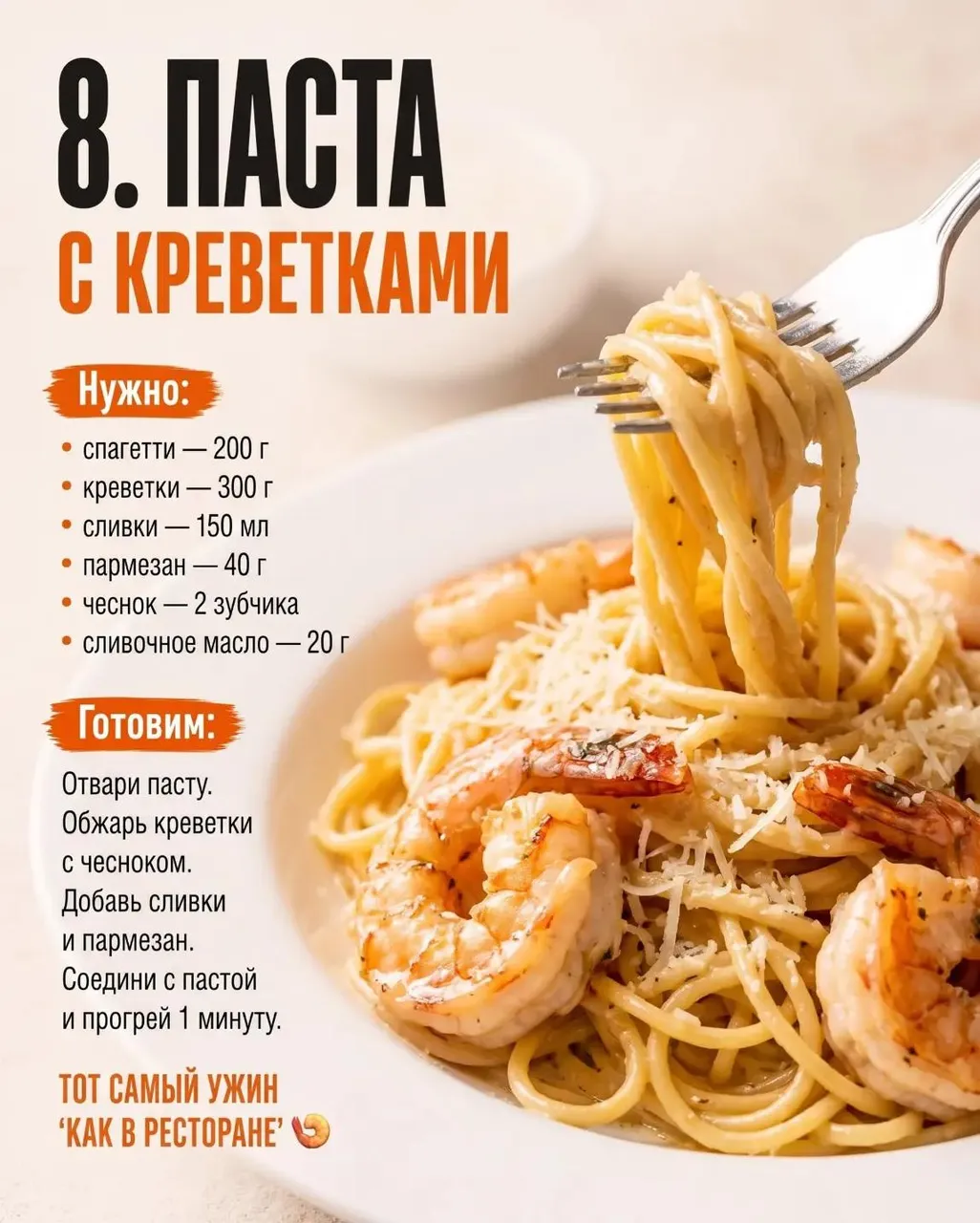
Add cheese at the end, off the heat or on the lowest flame. Grate parmesan as finely as possible and stir it in a handful at a time. Throw cheese into a boiling sauce and it seizes into a rubbery clump and releases oil.
How to thicken a sauce without lumps
Never sprinkle starch into hot liquid: it sets into lumps instantly. Always mix it with a little cold water first.
Pour the slurry into the simmering sauce in a thin stream, stirring constantly, and boil for 1 minute: starch only thickens fully after it boils, and the raw taste cooks off.
Milk sauces like béchamel use a roux — flour cooked in butter. Melt butter, add an equal weight of flour, cook for 1–2 minutes while stirring, then add cold milk in portions, whisking smooth each time.
- Starch: 1 tbsp (8–10 g) + 2 tbsp cold water per 250 ml liquid — medium thickness.
- Roux for béchamel: 20 g butter + 20 g flour per 250 ml milk.
- Too thick — thin with stock or milk. Too thin — reduce, or add a little more slurry.
How to fix a sauce's flavour
Taste at the end and adjust with this cheat sheet:
- Bland, 'flat' — a drop of lemon juice or vinegar, then salt.
- Too salty — cream, a little sugar, acid, or more unsalted liquid.
- Too sour — a pinch of sugar or honey, a spoon of cream.
- Lacking depth — a spoon of soy sauce, grated parmesan or tomato paste.
- Fry tomato paste in oil for 1–2 minutes before adding liquid: the metallic taste goes and sweetness appears.
- Add garlic in the last 30–60 seconds of frying: burnt garlic is bitter and ruins the whole sauce.
Questions and answers
What's the oil-to-vinegar ratio for dressing?+
The classic is 3:1 — three parts oil to one part vinegar or lemon juice. Add a teaspoon of mustard so it doesn't separate.
How do I rescue split mayonnaise?+
Put a yolk and a teaspoon of water in a clean bowl and whisk in the split mixture a spoonful at a time — the emulsion comes back.
Why did my cream sauce curdle?+
Most likely the cream was low-fat (around 10%) and boiled with acidic ingredients, or cheese went into a boiling sauce. Use 20%+ cream and add cheese off the heat.
How much starch thickens a sauce?+
1 tablespoon mixed with 2 tablespoons cold water per 250 ml liquid. Boil for a minute after adding.
Try it in practice


More kitchen secrets
A stress-free celebration meal: how much to cook, what to make ahead and how to get it all done
How many starters, salads, mains and drinks you need per guest, how to balance the menu, a prep plan from a week out to an hour before guests arrive, how to share one oven between dishes and which dishes can be made ahead. Plus safety: how long salads can sit on the table.
Read the articleMince: burgers, meatballs, cabbage rolls and meatloaf — the rules for each
What fat content mince needs for juiciness, why burger mince isn't salted in advance while meatball mix is kneaded. The panade secret, burgers that don't balloon, meatballs in sauce, cabbage rolls and stuffed peppers, meatloaf and freezing mince properly.
Read the articleNo-bake desserts: gelatine, agar, panna cotta and mousses that hold their shape
How much gelatine per litre for jelly, panna cotta and mousse, why gelatine must never boil and which fruits stop it setting. Agar instead of gelatine, stable whipped cream, a biscuit base for cheesecake and how to turn a dessert out cleanly.
Read the article