Cheese: how to choose, store and melt it, and build a cheese board
Cheese families from fresh to hard, which cheeses melt stretchy and which turn oily, a lump-free cheese sauce, why cling film is bad for cheese, how to build a cheese board for a crowd, what to serve with it and how much to buy per guest.

Five cheese families
There are thousands of cheeses, but almost every one falls into one of a few families. The family tells you how the cheese behaves in cooking and how long it keeps.
- Fresh (mozzarella, ricotta, feta, cream cheese, burrata) — delicate and moist, keep for days.
- Soft bloomy-rind (brie, camembert) — creamy inside with a white mould rind.
- Semi-hard (gouda, edam, young cheddar, tilsit) — versatile, melt well.
- Hard aged (parmesan, pecorino, mature cheddar, gruyère) — bold, salty, crystalline, keep for a long time.
- Blue (gorgonzola, danish blue, roquefort) — veined with blue mould, spicy and sharp.
How different cheeses melt
Meltability depends on moisture, age and acidity. Young moist cheeses stretch; aged dry ones melt and add flavour but don't stretch. Some cheeses don't melt at all.
- Stretchy: mozzarella (the low-moisture "pizza" kind is best), suluguni, young cheddar, emmental, gouda.
- Smooth melters: gruyère, fontina, raclette — ideal for fondue, sauces and toasties.
- Flavour but no stretch: parmesan, pecorino — for grating over, risotto and pasta.
- Non-melting: halloumi, paneer, feta — these can be fried to a crust.
Cheese sauce without lumps or oil
Cheese in a sauce seizes and turns oily when overheated: the proteins tighten into clumps and the fat escapes. That's why cheese goes in at the end and the sauce isn't boiled.
The classic version starts with béchamel: 30 g butter, 30 g flour, 400 ml milk; once it thickens, take it off the heat and stir in 150–200 g grated cheese a little at a time.
- Grate your own: pre-grated cheese contains anti-caking starch and makes a grainy sauce.
- Let the cheese come to room temperature.
- A drop of lemon juice or a spoon of cream cheese helps keep the sauce smooth.
- If the sauce splits, add a spoon of hot milk and whisk hard.
How to store cheese
Cheese is a living product: it needs to breathe a little without drying out. Tight cling film traps moisture, and mould and a plastic taste soon appear on the surface.
- Hard and semi-hard: wrap in baking paper or wax paper, then loosely in a bag. Bottom shelf or salad drawer.
- Fresh: in their own brine or water in a closed container; change feta brine if it turns cloudy.
- Soft with a rind: in the original wrapping or baking paper, away from other foods.
- Blue: in foil, so the mould doesn't spread to other cheeses.
- Hard aged cheeses freeze well grated — for cooking, not for the board.
The cheese board: a matter of contrast
A good cheese board is about variety, not quantity. Choose 3–5 cheeses that differ in milk, texture and flavour: from soft and mild to hard and bold.
- One soft: brie or camembert.
- One semi-hard: gouda, maasdam or young cheddar.
- One hard aged: parmesan, pecorino or aged gouda.
- One blue: gorgonzola or danish blue.
- Optionally a goat's or sheep's cheese for variety.
What to serve with cheese
Accompaniments set off the flavour of the cheese and give a pause between bites.
- Sweet: honey (especially with blue), figs, pear, grapes, dates, fig or onion jam.
- Crunchy: walnuts, almonds, pecans, crackers, baguette, breadsticks.
- Salty: olives, sun-dried tomatoes, cornichons.
- Fresh: apple slices, berries, rosemary sprigs to garnish.
Serving and portions
Take the cheese out of the fridge 30–60 minutes before serving — cold cheese has almost no aroma and tastes bland.
Arrange it clockwise from the mildest to the strongest — that way it's easy to taste in order. Give each cheese its own knife so the flavours don't mix.
- As a starter before dinner — 50–60 g cheese per person.
- As the main treat of the evening — 120–150 g per person.
- Leave soft cheeses whole — they're easy to scoop.
- Cut hard cheeses into wedges or break them into chunks with a parmesan knife.
Hot dishes with cheese
Cheese opens up with heat but doesn't forgive overheating. Baked camembert is an easy party dish: score the top, push in garlic and rosemary, bake for 15 minutes at 180 °C and serve with toast.
Fried halloumi or suluguni: 1 cm slices in a hot dry pan for 1–2 minutes a side until golden. Serve at once — as it cools, the cheese turns rubbery.
Questions and answers
Why does the cheese on my pizza go oily?+
The cheese is too fatty or aged, or the pizza was overbaked. Use low-moisture pizza mozzarella and don't overdo the baking time.
Can I eat the rind of brie and camembert?+
Yes — the white mould rind is edible and part of the flavour. Wax and paraffin rinds on hard cheeses aren't eaten.
How long does opened cheese keep?+
Hard — 3–4 weeks, semi-hard — 1–2 weeks, soft — about a week, fresh — 3–5 days after opening.
Can cheese be frozen?+
Hard and semi-hard cheeses can, ideally grated, for hot dishes. They crumble after freezing. Soft and fresh cheeses lose their texture.
How many cheeses should go on a board?+
Three to five. Fewer is dull; more and the flavours start to blur together.
Try it in practice



More kitchen secrets
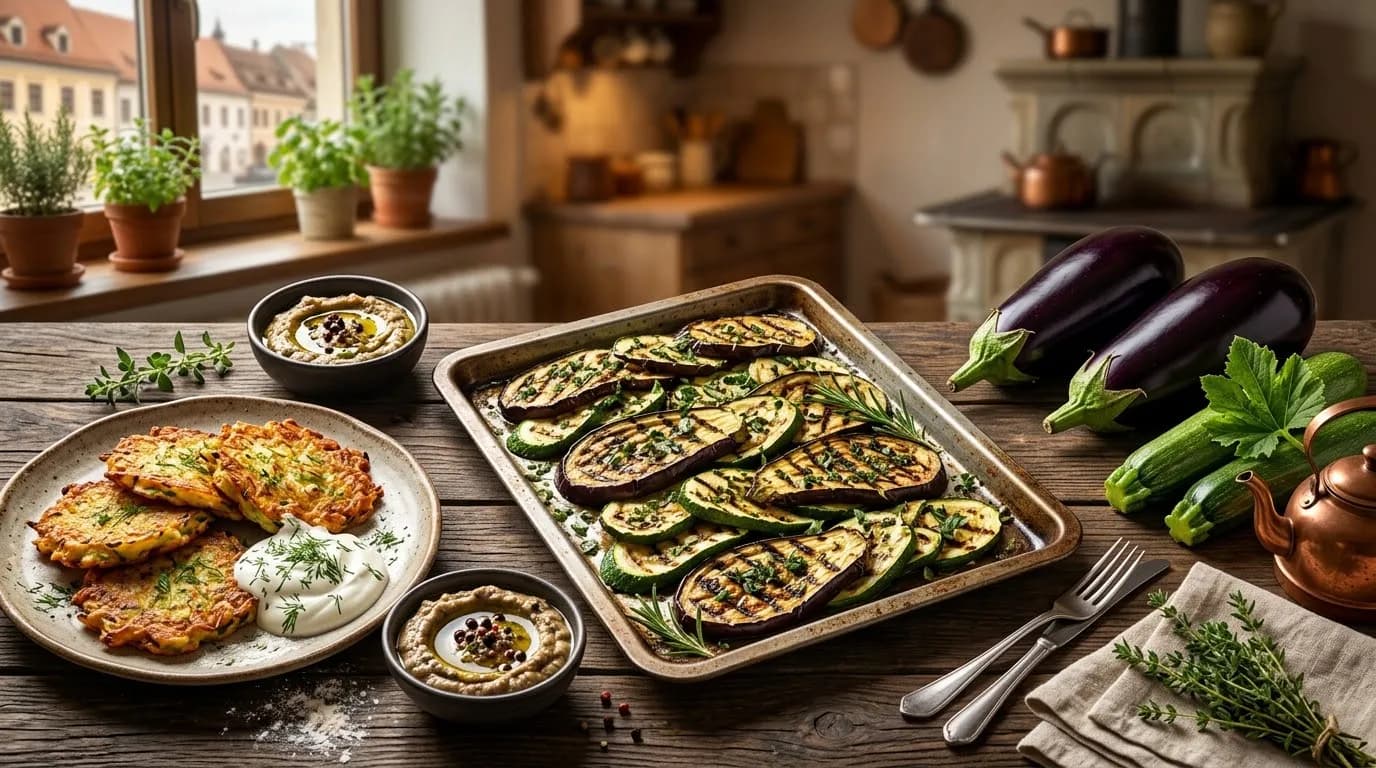
Courgettes and aubergines: no bitterness, no soaked-up oil and no watery mush
How to pick young ones, whether you really need to salt aubergines, why they soak up oil like a sponge and how to stop it, frying, roasting and grilling, courgette fritters that hold together, vegetable caviar and storage.
Read the article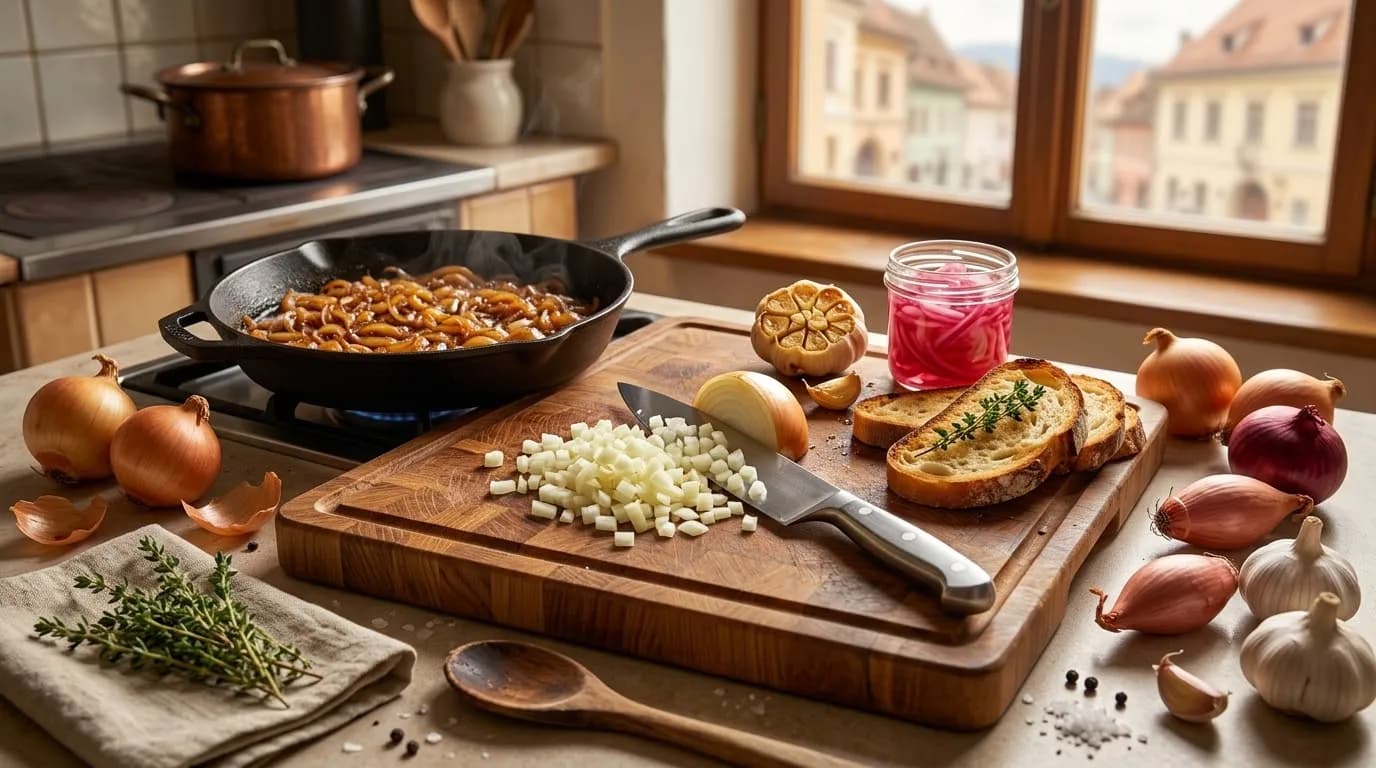
Onions and garlic: cutting without tears, caramelising and not burning them
Which onion for what, why onions make you cry and what actually helps, fast dicing, sweating, browning and true caramelisation in 40 minutes, garlic — crush or slice and when to add it, pickled onions, roasted garlic and storage.
Read the article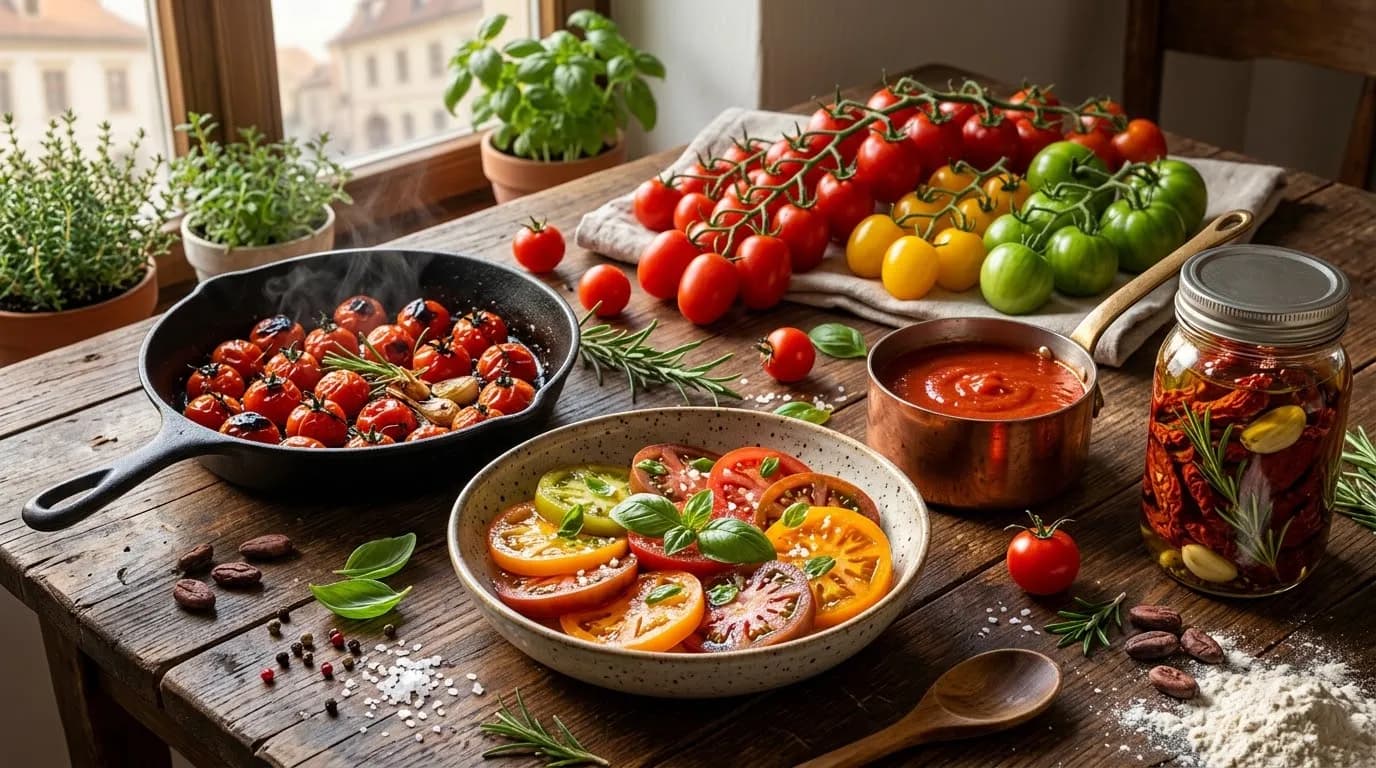
Tomatoes: how to pick tasty ones, peel them, make sauce and dry them
Which tomatoes for salad, sauce and roasting, why tomatoes don't belong in the fridge, how to peel them in a minute, sauce from fresh and tinned tomatoes, roasted cherry tomatoes, oven-dried tomatoes and what to do with green ones.
Read the article